
How Qingyijiang Builds Global Supply Chain Trust Through Green Manufacturing
QYJSSA/December 27,2025
Key Takeaways
- Green manufacturing has become a procurement baseline, not a branding add-on.
For global buyers of industrial sodium sulfate, environmental compliance, process transparency, and operational stability are now essential criteria in supplier selection, directly linked to supply chain risk management.
- Efficiency-driven sustainability creates real supply security.
By adopting MVR (Mechanical Vapor Recompression) technology, Qingyijiang significantly reduces steam and water consumption while improving production stability, turning green manufacturing into a long-term, scalable operational advantage.
- “Green capital” translates sustainability into long-term value for buyers.
Lower energy volatility, reduced regulatory risk, and stable large-scale capacity allow Qingyijiang to offer reliable, continuous sodium sulfate supply—transforming environmental performance into measurable procurement value.
Reliable Industrial Sodium Sulfate Manufacturer
How Qingyijiang Builds Global Supply Chain Trust Through Green Manufacturing
In industries such as detergents, home care, textiles, and chemicals, sodium sulfate (anhydrous sodium sulfate) is a critical raw material. For global procurement teams, supplier selection today goes far beyond price. Product consistency, long-term supply stability, environmental compliance, and operational reliability have become decisive factors.
As an experienced industrial sodium sulfate manufacturer with more than two decades of specialization, Qingyijiang Sodium Sulfate has developed a green manufacturing system that converts environmental responsibility into verifiable production capability and long-term supply security, earning trust from customers worldwide.
Green Manufacturing as a Baseline Requirement for Global Procurement
Across global supply chains, sustainability is no longer a branding preference—it is a risk management requirement. International detergent and chemical companies increasingly integrate environmental performance into supplier audits and qualification processes.
Qingyijiang operates under internationally recognized management systems, including ISO 9001 (Quality Management) and ISO 14001 (Environmental Management). These certifications ensure transparent, auditable, and standardized operations across production, quality control, and environmental protection.
For procurement teams, this means lower compliance risk and higher operational predictability when selecting a sodium sulfate supplier.
Efficiency-Driven Green Manufacturing in Sodium Sulfate Production
True sustainability in industrial production is built on efficiency, not slogans.
In industrial sodium sulfate manufacturing, Qingyijiang has implemented MVR (Mechanical Vapor Recompression) technology to replace traditional high-steam evaporation processes. MVR technology recovers and recompresses secondary steam generated during evaporation, significantly reducing dependence on fresh steam and improving overall energy efficiency.
Operational data from Qingyijiang’s production lines show:
- Steam consumption reduced from 1 ton per ton of product to 0.000768 tons
- Circulating water consumption reduced from 63.36 m³ to 3.84 m³ per ton of product
Although electricity usage increases, the overall energy balance, process stability, and continuous operation capability are substantially improved. This efficiency-focused approach ensures stable production and consistent product quality—key factors for long-term procurement relationships.
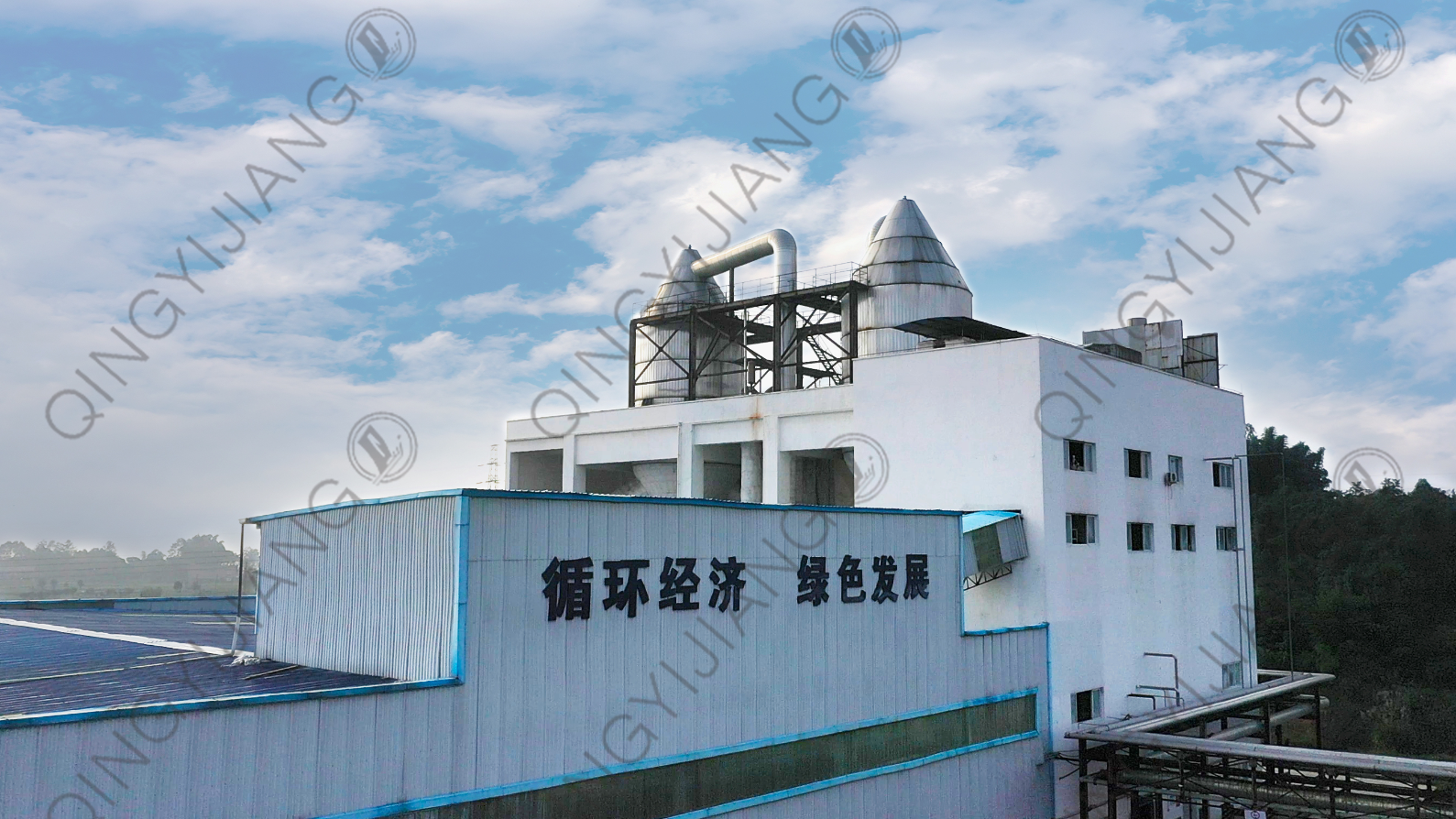
Figure 1:green-manufacturing-industrial-sodium-sulfate-qingyijiang
Green Capital: How Sustainability Reduces Supply Chain Risk
In procurement terms, sustainability creates value by reducing uncertainty. This is the essence of “green capital”—when green manufacturing capabilities translate into measurable economic and operational benefits.
Since 2018, Qingyijiang has continuously invested in green process upgrades, achieving:
- Annual electricity savings of approximately 60 million kWh
- Annual CO₂ emission reductions of approximately 270,000 tons
These improvements significantly lower environmental compliance risk and exposure to energy price volatility. For buyers, this means a more resilient sodium sulfate supply partner capable of maintaining stable delivery under changing regulatory and market conditions.
Large-Scale Capacity Ensuring Long-Term Sodium Sulfate Supply
Sustainability must be scalable to be meaningful.
Qingyijiang operates on a 1,000-acre production site, with an annual capacity of 1 million tons of sodium sulfate and two MVR production lines fully integrated into daily operations. Green manufacturing is not a pilot project—it is embedded into the company’s core production system.
In addition, Qingyijiang benefits from high-quality mineral resources with an estimated supply life exceeding 400 years, ensuring long-term raw material availability and production continuity.
For global procurement teams, this scale and resource security provide confidence in long-term supply commitments.
Sodium Sulfate Applications Across Global Industries
Qingyijiang’s sodium sulfate products are widely used in:
- Detergent and home care formulations
- Personal care and daily chemical products
- Textile processing
- Industrial chemical applications
With stable quality, reliable logistics, and sustainable production processes, Qingyijiang supplies sodium sulfate to both domestic and international markets, supporting customers across multiple regions.
The company’s customer portfolio includes internationally recognized brands known for strict supplier qualification standards. Long-term cooperation with these customers reflects Qingyijiang’s capability to meet global procurement expectations.
Conclusion: Sustainability as Long-Term Value for Sodium Sulfate Buyers
For procurement teams seeking a reliable, compliant, and long-term sodium sulfate supplier, green manufacturing is no longer optional—it directly affects supply stability, regulatory risk, and total cost of ownership.
From factory-level efficiency improvements to supply chain risk reduction and customer trust, Qingyijiang’s green manufacturing strategy demonstrates how sustainability becomes green capital—a practical competitive advantage in global sodium sulfate supply.
Qingyijiang remains committed to continuous improvement through technology innovation and long-term operational discipline, providing customers worldwide with stable, high-quality, and sustainable sodium sulfate solutions.